
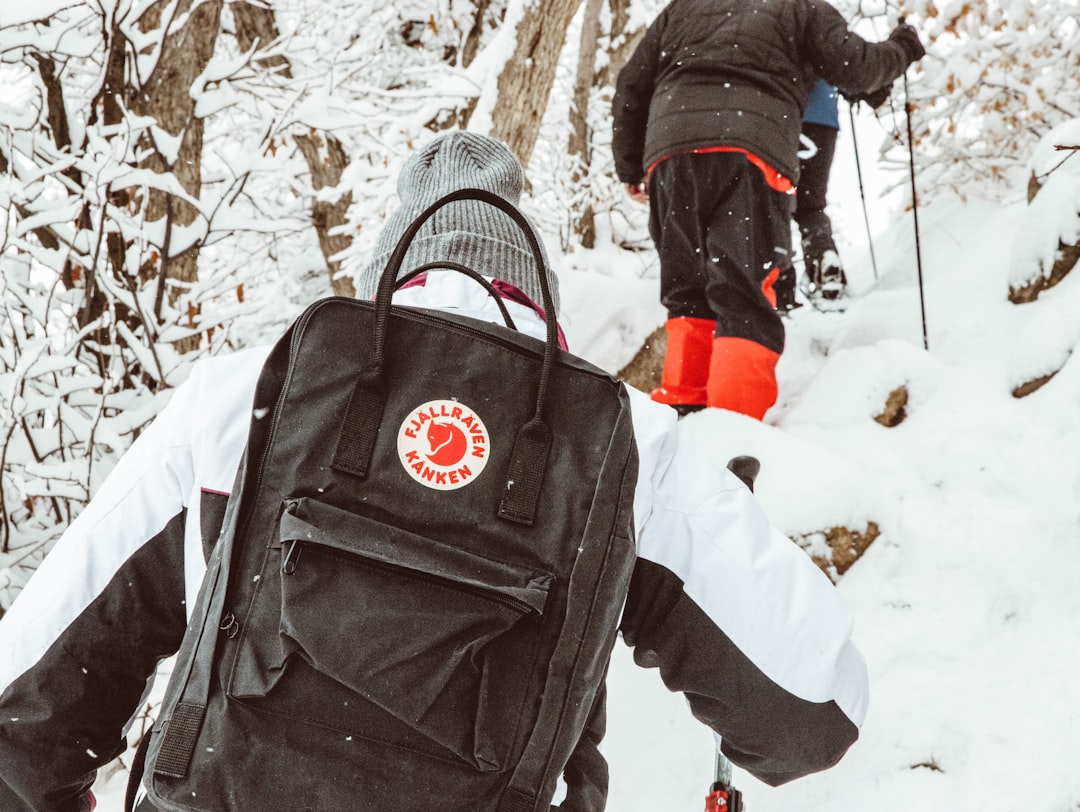
Choosing the right backpack for hiking trips is crucial for ensuring a comfortable and enjoyable outdoor experience. With countless options available, it can be overwhelming to determine which backpack will best suit your needs. This guide will walk you through the essential factors to consider when selecting a hiking backpack, helping you make an informed decision that enhances your adventures in nature.
First and foremost, consider the type of hiking you plan to do. Are you embarking on a day hike, a weekend backpacking trip, or a multi-day expedition? The duration and intensity of your hike will significantly influence the size and features of the backpack you need. Daypacks typically range from 15 to 30 liters, while weekend and multi-day packs can range from 40 to 70 liters or more. Assess your hiking goals to determine the appropriate size.
Next, think about the weight of the backpack. A lightweight pack is essential for long hikes, as it reduces fatigue and allows for greater mobility. However, lightweight options may sacrifice some durability and features. Strike a balance between weight and functionality based on your hiking style. Look for materials like nylon or polyester that offer durability without adding excessive weight.
Comfort is another critical factor when selecting a hiking backpack. A well-fitted pack can make all the difference on the trail. Pay attention to the suspension system, which includes the shoulder straps, hip belt, and back panel. Look for padded and adjustable straps that distribute weight evenly across your body. A hip belt is particularly important for larger packs, as it helps transfer weight from your shoulders to your hips, reducing strain.
Ventilation is also an important consideration, especially for warm-weather hikes. Look for backpacks with mesh back panels or ventilation channels that promote airflow and keep your back cool. This feature can significantly enhance your comfort during long hikes.
Storage options are another aspect to evaluate. Consider how you plan to organize your gear. Many hiking backpacks come with multiple compartments, pockets, and attachment points for gear like trekking poles or sleeping bags. Ensure that the pack has enough pockets for easy access to essentials like snacks, maps, and first aid kits. A hydration reservoir sleeve can also be a valuable feature, allowing you to stay hydrated without stopping to dig out a water bottle.
Durability is key when investing in a hiking backpack. Look for reinforced seams, high-quality zippers, and weather-resistant materials. A durable pack will withstand the rigors of the trail and last for many adventures to come. Additionally, consider the warranty offered by the manufacturer; a good warranty can provide peace of mind regarding the longevity of your investment.
Lastly, don’t forget to try on the backpack before making a purchase. Load it with weight similar to what you would carry on your hikes and walk around to assess the fit and comfort. Adjust the straps and hip belt to ensure a snug fit. If possible, take it for a short test hike to see how it feels in action.
Step-by-step plan:
Step 1: Determine the type of hiking you will do to choose the appropriate size.
Step 2: Consider the weight of the backpack and find a balance between lightweight and durability.
Step 3: Ensure the backpack has a comfortable suspension system that fits your body.
Step 4: Evaluate storage options and durability features to meet your hiking needs.
In conclusion, selecting the best backpack for hiking trips involves careful consideration of size, weight, comfort, ventilation, storage, and durability. By following these guidelines and taking the time to find the right fit, you can enhance your hiking experience and enjoy the great outdoors with confidence. Whether you’re a seasoned hiker or just starting, the right backpack will be your trusted companion on every adventure.